
- Home
- Products
- Metal 3D Printers
Metal 3D Printers
Metal 3D printers enable manufacturers to produce complex metal components for applications in aerospace, automotive manufacturing, medical applications, mould production and consumer electronics. Different production needs call for different technologies, from selective laser melting (SLM) for metal part manufacturing to laser solid forming (LSF) and laser cladding (LC) for component forming, repair and surface strengthening. Alex Corporation offers AVIMETAL metal additive manufacturing equipment for a range of industrial applications.
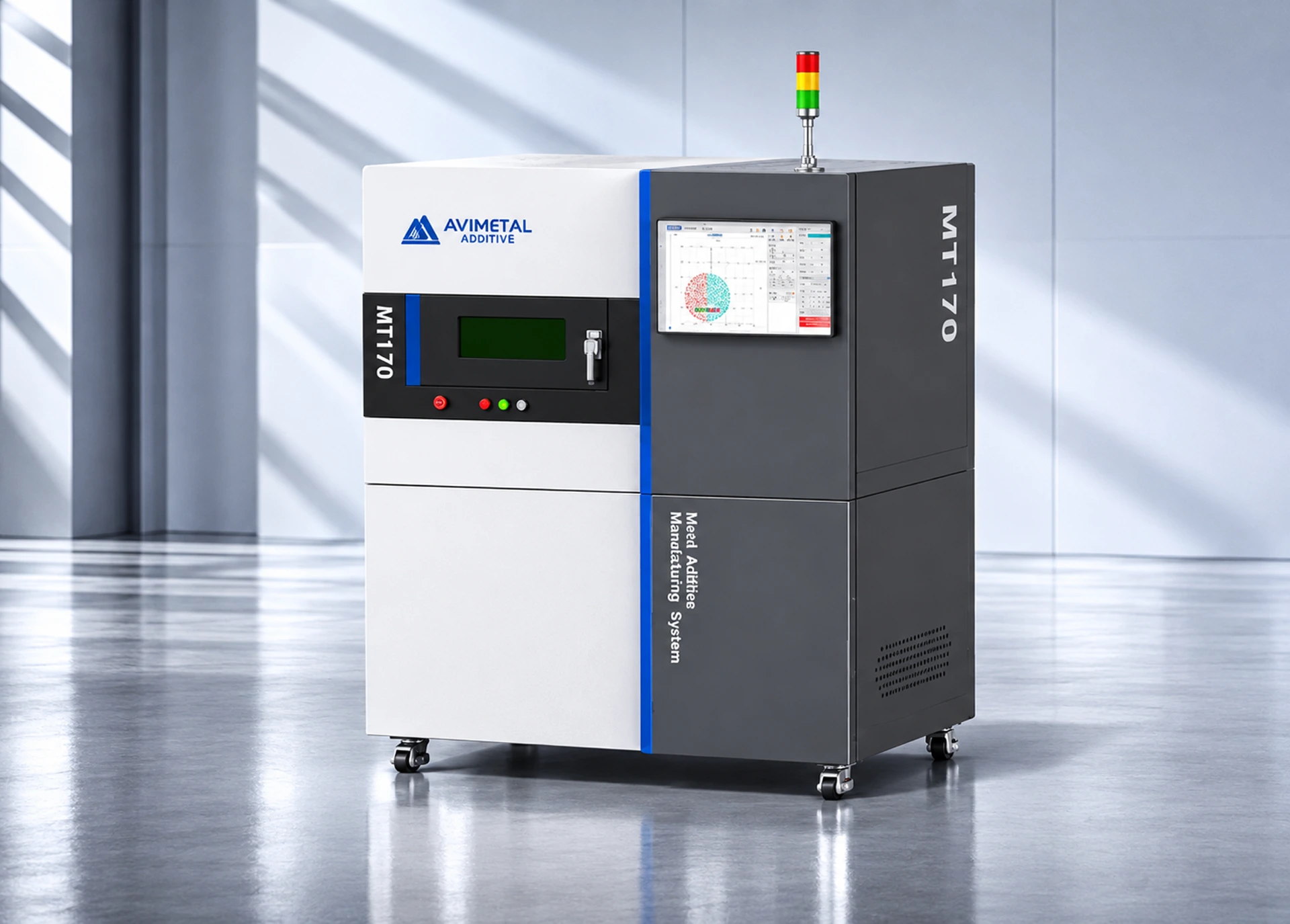
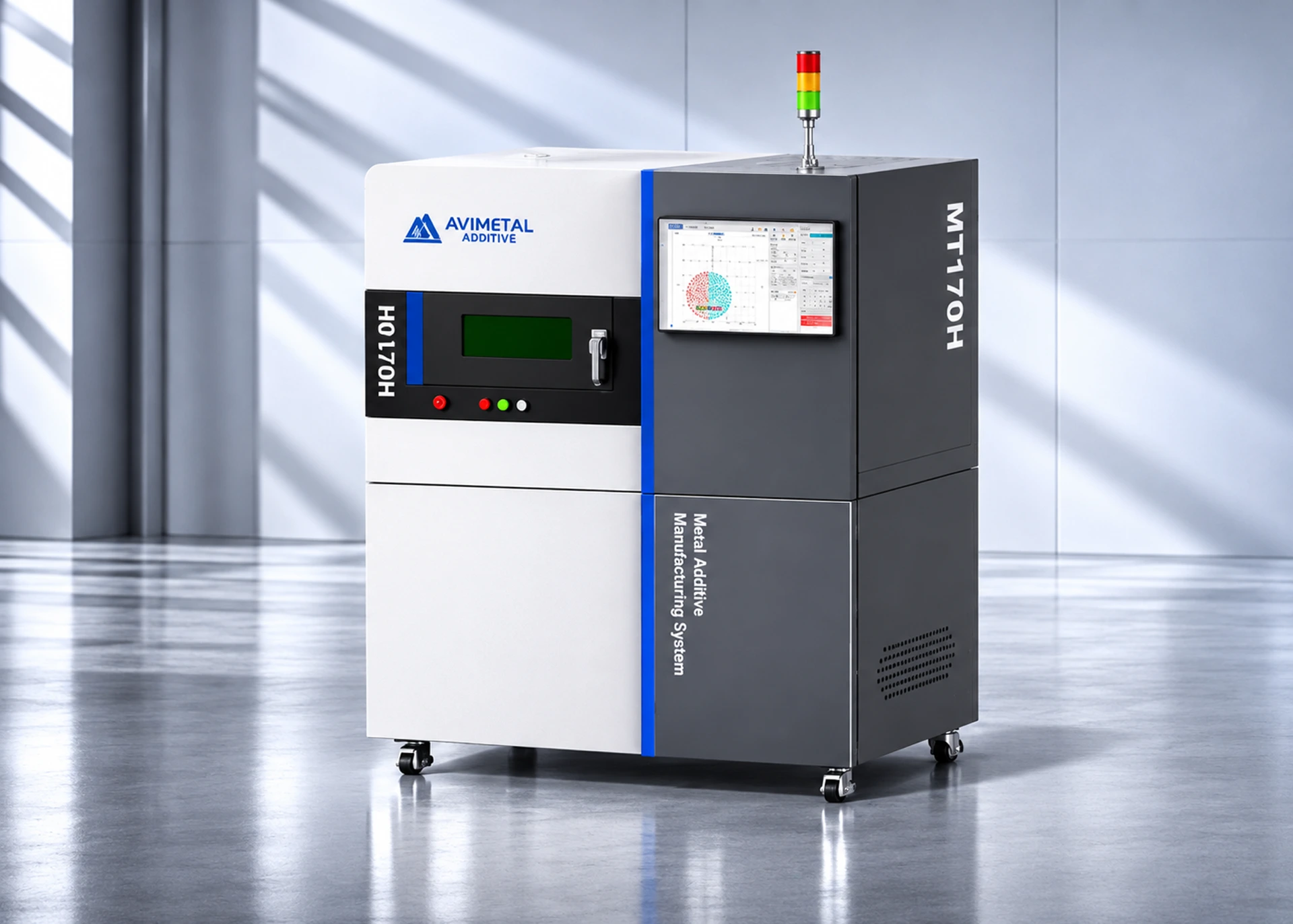
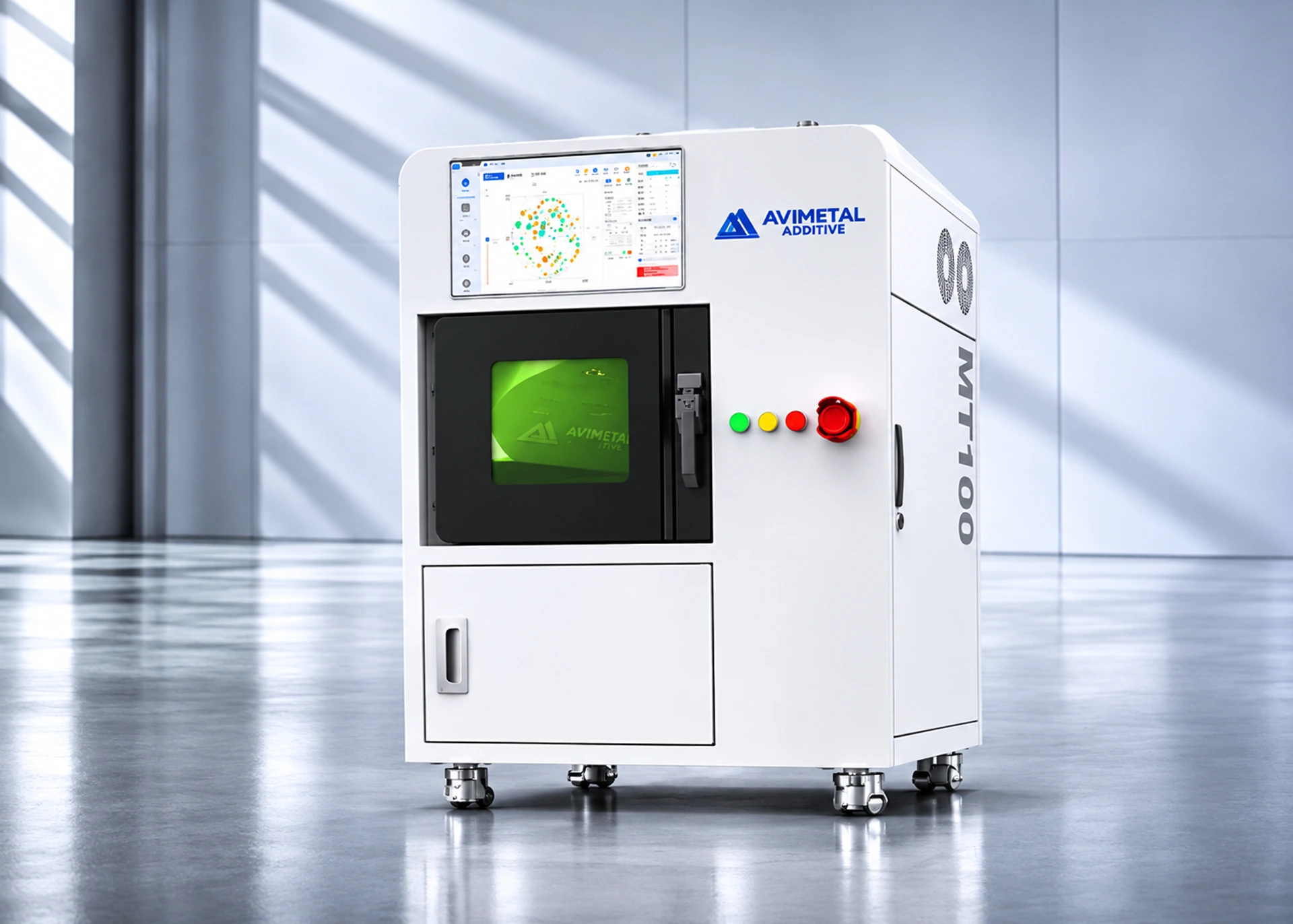
Choosing the Right Metal 3D Printing Technology for Your Needs
Metal additive manufacturing equipment differs in its processes, material compatibility, component capacity and intended applications. Understanding these differences helps narrow down the options based on your production requirements.
How to Choose a Metal 3D Printer
When comparing metal 3D printers, consider the following factors:
- Component size and geometry
Check the machine’s build dimensions or processing capacity against the size and shape of the parts you need to produce.
- Material compatibility
AVIMETAL’s equipment and material portfolio includes options such as titanium alloys, superalloys, stainless steel, aluminium alloys and cobalt-chromium alloys. Confirm compatibility with the specific machine and manufacturing process.
- Manufacturing process
Consider whether selective laser melting, laser solid forming or laser cladding is appropriate for your application. Each technology serves different manufacturing and processing needs.
- Production requirements
Consider the intended application, production volume and manufacturing setup when comparing equipment configurations.
- Equipment specifications
Compare relevant parameters such as laser configuration, build dimensions, layer thickness, processing speed and gas requirements, where applicable.
- Technical support
Factor in any requirements for material selection, structural optimisation, forming technology, heat treatment or surface treatment.
Looking at these factors together provides a clearer basis for comparing equipment and identifying suitable options.
Metal 3D Printing Technologies and Their Applications
AVIMETAL offers equipment based on three metal additive manufacturing technologies: selective laser melting (SLM), laser solid forming (LSF) and laser cladding (LC). Each serves different applications, from producing metal components to repairing and strengthening existing parts.
Selective Laser Melting (SLM) Equipment
SLM equipment supports applications in dental manufacturing, small-batch production and industrial manufacturing. Application areas include aerospace, automotive manufacturing, industrial tooling, biomedical applications, footwear moulds and consumer electronics.
Materials used across different SLM equipment configurations include titanium and titanium alloys, superalloys, aluminium alloys, cobalt-chromium alloys, stainless steel, die steel and copper alloys. Available materials and machine specifications vary by model, so compatibility should be confirmed before selection.
Laser Solid Forming (LSF) Equipment
LSF equipment is suited to applications in aerospace, gas turbines, marine, defence, automotive manufacturing and mould production. Supported materials include titanium alloys, superalloys, stainless steel and high-strength steel.
When comparing LSF systems, relevant specifications include laser power, spot diameter, layer thickness, build speed and forming dimensions. These parameters help determine whether a particular configuration matches the component size and production requirements.
Laser Cladding (LC) Equipment
Laser cladding equipment serves applications involving metallurgical rolls, crystallizers, oil drill pipes, glass moulds and automotive moulds. It is also used for component repair, remanufacturing and surface strengthening.
AVIMETAL’s range includes robotic laser cladding equipment, high-speed laser cladding systems and integrated laser cladding and additive manufacturing workstations. The suitable configuration depends on the workpiece, processing requirements and manufacturing setup.
Matching Metal 3D Printing Equipment to Your Requirements
The right equipment depends on the components you need to manufacture, the materials involved and the process required. Before making a selection, assess the following:
- Application
Establish whether you need to produce new metal components, form larger structures or carry out cladding, repair or surface strengthening.
- Material requirements
Check that the equipment and process support the metal or alloy required for your application.
- Component dimensions
Compare the size and shape of the workpiece with the machine’s build dimensions or maximum processing capacity.
- Operating parameters
Review relevant specifications, including laser power, layer thickness, build speed and gas requirements, depending on the process.
- Additional technical requirements
Identify whether you need support with material development, structural optimisation, forming processes or post-processing.
AVIMETAL also provides technical services covering customised material design, powder trial production, structural optimisation, forming technology, heat treatment, surface treatment testing, detection and analysis. These services may be useful when equipment selection is part of a wider metal manufacturing project.
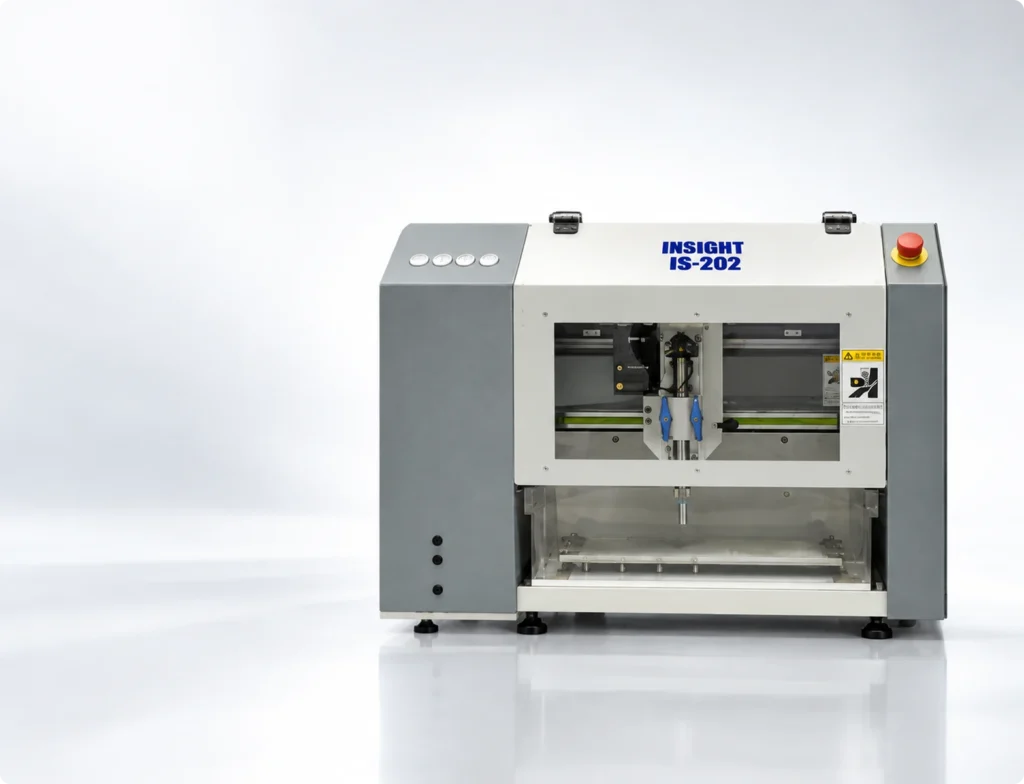
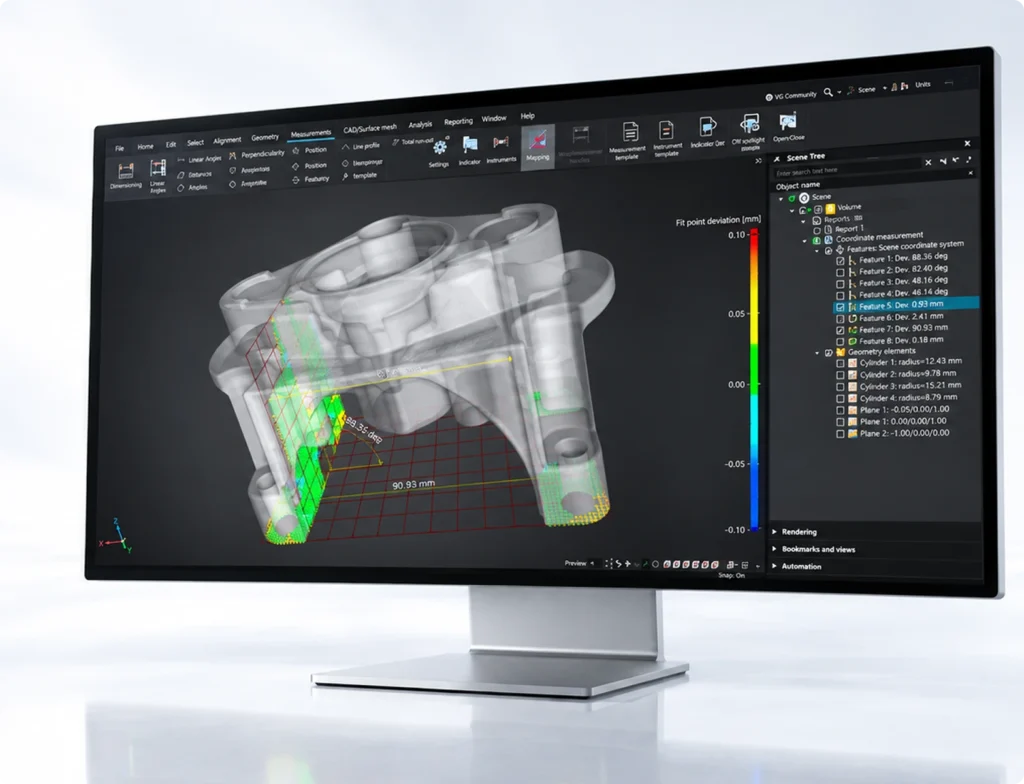
For applications that require further examination of manufactured components, 3D CT systems can help reveal internal features that may not be visible from the outside.
Looking for the Right Metal 3D Printing Solution?
Selecting metal additive manufacturing equipment involves more than comparing specifications. Material compatibility, component dimensions, manufacturing processes and intended applications all influence the right choice. Alex Corporation can help you explore available AVIMETAL equipment and assess the options against your production requirements.
Explore Related Solutions

Frequently Asked Questions
Which metals and alloys can be used with AVIMETAL equipment?
Material options across the equipment range include titanium and titanium alloys, superalloys, aluminium alloys, cobalt-chromium alloys, stainless steel, die steel, copper alloys and high-strength steel. Not every machine supports every material, so check the specifications of the individual model against your requirements.
How should I choose the build size of a metal 3D printer?
Start with the dimensions and geometry of the components you intend to produce. Compare these with the machine’s stated build dimensions or processing capacity, allowing for the requirements of the selected manufacturing process. For laser cladding systems, workpiece dimensions and processing capacity may be more relevant than a conventional print volume.
Which machine specifications matter most when comparing metal 3D printers?
The most relevant specifications depend on the technology and application. Buyers may need to compare build dimensions, laser type and power, scanning speed, layer thickness, forming speed, gas requirements and working conditions. Focus on the parameters that directly affect your material, component design and production requirements.
What technical support is available for metal additive manufacturing?
Available technical services include customised material design, powder trial production, structural optimisation, forming technology, heat treatment, surface treatment testing, detection and analysis. The services relevant to a project depend on its material, manufacturing process and finishing requirements.
Which industries use metal 3D printing equipment?
Metal 3D printing equipment serves a range of industries, including aerospace, automotive manufacturing, medical and biomedical applications, industrial tooling, mould production and consumer electronics. Specific applications depend on the printing technology, materials and equipment configuration.
How do SLM, LSF and laser cladding differ?
Selective laser melting (SLM) is used to produce metal components, with applications spanning dental manufacturing, small-batch production and industrial manufacturing. Laser solid forming (LSF) supports applications such as aerospace components, gas turbines and moulds. Laser cladding (LC) is used for applications including component repair, remanufacturing and surface strengthening. The appropriate process depends on the part and the manufacturing objective.
What information do I need to provide when enquiring about a metal 3D printer?
Share the component’s intended application, material, dimensions, approximate production volume and any specific manufacturing requirements. These details help narrow down suitable equipment and identify the specifications that need closer evaluation.